Travelling from Lake Argyle across the top end of Australia you cross hundreds of creeks and rivers with the ever attendant ‘road subject to flooding’ signage.
In the dry the land looks quite parched. The Barkly tableland probably an unchanged landscape thousands of years old.
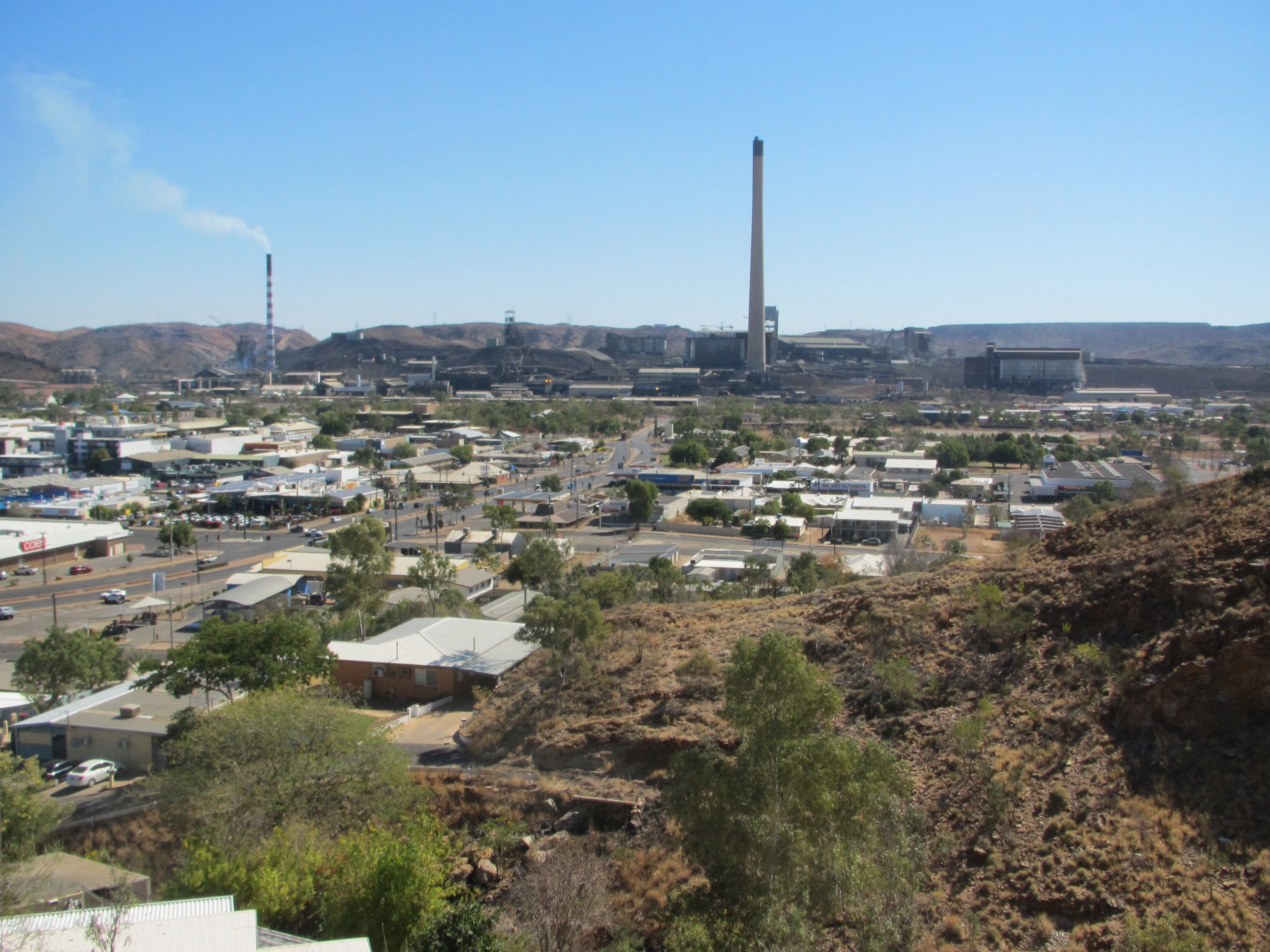
And then you arrive at Mt Isa and behold a town that is dwarfed by the mining activity which delivers riches in lead, zinc, copper and silver. Thirty years after MIM began operations it needed water to grow the business and so in 1958 they dammed the Leichhardt River. A privately funded project costing $2.4mil giving 2600 hectares of water surface on the lake at a depth of up to 11 metres; oodles of water for mining and residential consumption well into the future and providing for all the aquatic recreational pursuits you can only dream of.
Tennant Creek also has a similar, but somewhat smaller dam/recreational waterways; put simply— dams—-that is a guaranteed lifeline to people in this arid country.
But the top end of this country is far from a dry as dust waterless country. Fitzroy crossing flood records water flows of 30,000 cubic metres of water every second flowing out into the sea. In this tableland country of north west Queensland alone, flooding rivers criss cross the plains and join together to fill Lake Eyre.
Australia has plenty of water. We just need to get on with saving some.

 lauranceblog.com